Published
- 4 min read
The Impatient Ms. Science's book
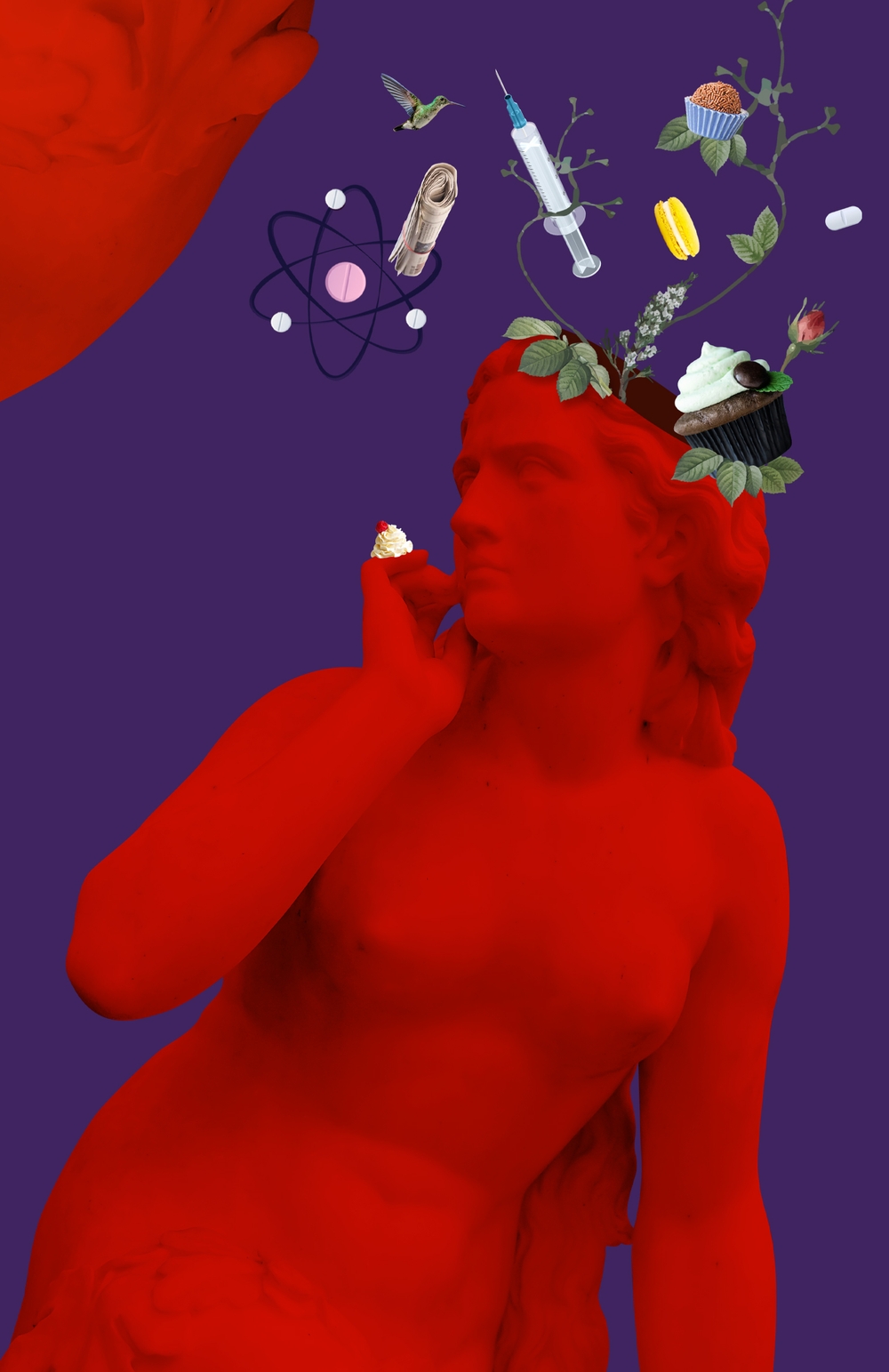
The Impatient Ms. Science’s book
An Accessible Guide Through Scientific Endeavor
The original text is available in Brazilian Portuguese at AMAZON
”For centuries, science has been under a line of attack that, rather than pseudoscience, can be called antiscience.”– Carl Sagan, 1995.
False beliefs repeatedly attributed to science motivated me to write these pages. Essentially, I take my lemons and make life take them back! Chill out as I invite you to share my Margarita during a barbecue catch-up, or, if you prefer, let’s grab a coffee together. I bring years of experience in my luggage, listening to random conversations on crowded buses, weddings, funerals, classrooms, lab benches, and conferences.
But I must warn you that this conversation is full of inconveniences—the same ones that make the stuff of science. Interestingly, these inconveniences are science’s driving force, pushing us to create incredible things. The impotence of doubt is one such inconvenience. Science demands perseverance to assemble a giant puzzle with an entirely unknown landscape. Accepting that we live in doubts rather than certainties is an arduous learning process. It’s the opposite of “antiscience,” which is always rooted in astonishing omniscience.
Beyond the White Lab Coat
I do not come here to glamorize the process of doing science or to reinforce the belief in a white coat lab scientist devoid of personal interest and life. Scientists stand in line at the bank, vote, eat fast food, and squeeze on the metro. Ms. Science is closer to a middle-class lady; forget the aristocratic English lady sipping tea at five o’clock. She is a libertarian, entrepreneurial, adventurous, grumpy, and methodical worker who efficiently handles her diverse offspring.
My journey into Science
I am the first scientist in a large family, and science became my passion and profession thanks to science popularization. As a child, I spent weekends watching the amazing deep-sea dives of Jacques Cousteau. I traveled the Milky Way and reached the farthest points on Earth, hitching a ride with the Cosmos series presented by Carl Sagan, the most outstanding science communicator ever. Fortunately, I was captivated by many others: Fernando Reinach, Marcelo Gleiser (Brazilian scientists), Stephen Jay Gould, Oliver Sacks, and Edward O. Wilson—one of the greatest biologists of our time—who recently passed away.

I had a strong inclination towards science. Edward O. Wilson wrote in The Creation: An Appeal to Save Life on Earth (2006): “The ascent to nature begins in childhood, and the science of biology is therefore ideally introduced in the earliest years. Every child is a beginning explorer, naturalist.” No one is born a scientist. We are born hungry and motivated; only good food will nurture a science newbie well.
I had the most important thing: room to desire and dream.
Like many other children, I repeatedly watched cartoons and both good and bad TV shows. My references included Woody Woodpecker, Bugs Bunny, teachers, and scientists. Even though I was born into a humble family, I had the most important thing: room to desire and dream. That certainly made all the difference. Even scarce, money was never the focus, but work, culture, and pride of our roots. My father was a builder, and my mother was a shopkeeper. Neither of them went beyond primary school, but they were generous. The rule was simple: my sisters and I could become whatever we wanted, as long as our choice could ethically pay our bills.
I shaped my scientific identity based on my origins, formed without close scientific role models and amidst mansplaining. My writing is instilled with this perspective. It is also filled with particular knowledge from my scientific field. I am a biologist working at the interface of medicine and neuroscience. Therefore, please do not limit yourself to my experience. Enrich your knowledge by discussing the same topic with researchers from other fields. Draw from the well of different areas of biology, physics, chemistry, and related fields. Theoretical mathematics, for example, has a very particular and fascinating way of conducting research, which is quite different from my field. Science requires multiple perspectives to be understood.